
Repair, Reset, Reimagine: Stem Cell Therapies for Multiple Sclerosis

Stem cells have the extraordinary ability to transform into different types of cells and renew themselves—offering new hope in the treatment of multiple sclerosis. One of the most advanced approaches—autologous hematopoietic stem cell transplantation (AHSCT)—involves collecting a patient’s own bone marrow stem cells, using chemotherapy to wipe out their faulty immune system, and then reinfusing the stem cells to help rebuild it. A more aggressive “myeloablative” approach can effectively halt relapses and new MRI activity but carries serious risks, including life-threatening infections. A gentler “immunoablative” method reduces these risks but allows for a return of MS activity in up to 25% of patients. AHSCT is typically reserved for younger individuals with aggressive relapsing disease and moderate or milder disability.
Mesenchymal stem cells—derived from fat, bone marrow support tissue, or dental pulp—have shown mixed results. A large international trial found no benefit when delivered intravenously, although the treatment was safe. However, a smaller study using repeated injections into the spinal fluid showed disease stabilization in most participants. New research is now exploring neural stem cells, which may help protect and repair the brain and spinal cord. A recent Phase 1 trial involving 15 people with secondary progressive MS found reduced inflammation in blood and spinal fluid markers and less brain shrinkage on MRI scans following neural stem cells given into the spinal fluid spaces of the brain. Tune in as we unpack the science, the risks, and the exciting future of stem cell therapies in MS.
This episode is sponsored by TG Therapeutics.

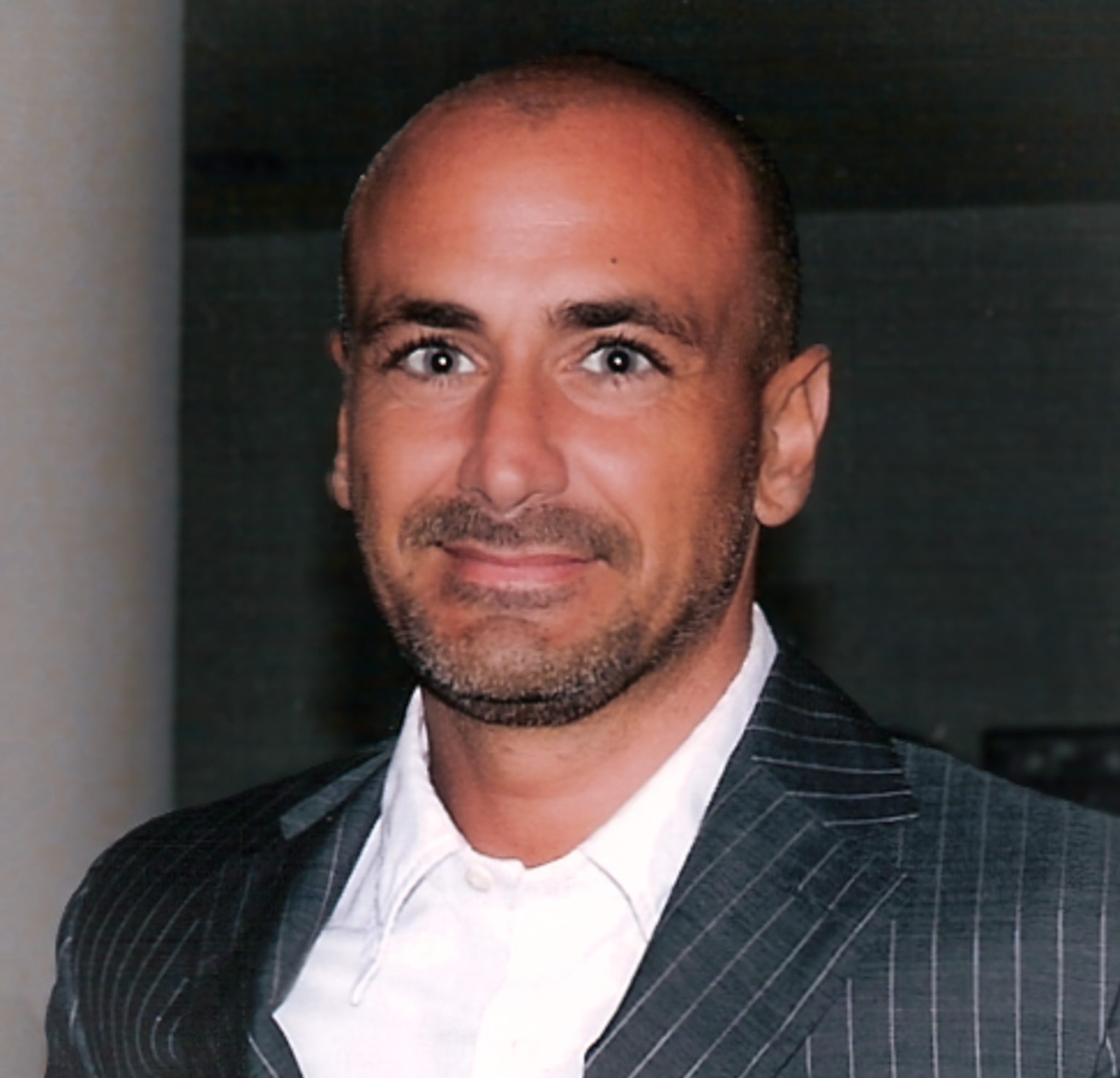
Stefano Pluchino MD PhD
Stefano Pluchino MD PhD is a Clinical Professor of Regenerative Neuroimmunology and Honorary Consultant in Neurology, within the Department of Clinical Neurosciences, University of Cambridge, UK. He obtained his MD and PhD in Experimental Neuroscience at the University of Siena in Italy. His groundbreaking laboratory research on Regenerative Neuroimmunology has led to 250 publications in international journals.
Mark Freedman MD
Mark Freedman MD is Professor of Medicine in the field of neurology at the University of Ottawa, Director of the Multiple Sclerosis Research Unit at the Ottawa Hospital, and a Senior Scientist at the Ottawa Hospital Research Institute. Dr. Freedman holds his Masters Degree in Molecular Neurochemistry and continued his postgraduate work specializing in neurology and neuroimmunology. Dr. Freedman has published over 250 pieces, including articles, books, book chapters and abstracts. He is also the lead investigator in the Canadian Bone Marrow Transplant Study in MS and co-chair of the International Mesenchymal Stem Cell Transplantation Study Group.

BY: Barry Singer, MD DATE: July 22, 2025 TOPIC: Podcasts